
Navigating NYC Local Law 11 for Affordable Housing Owners
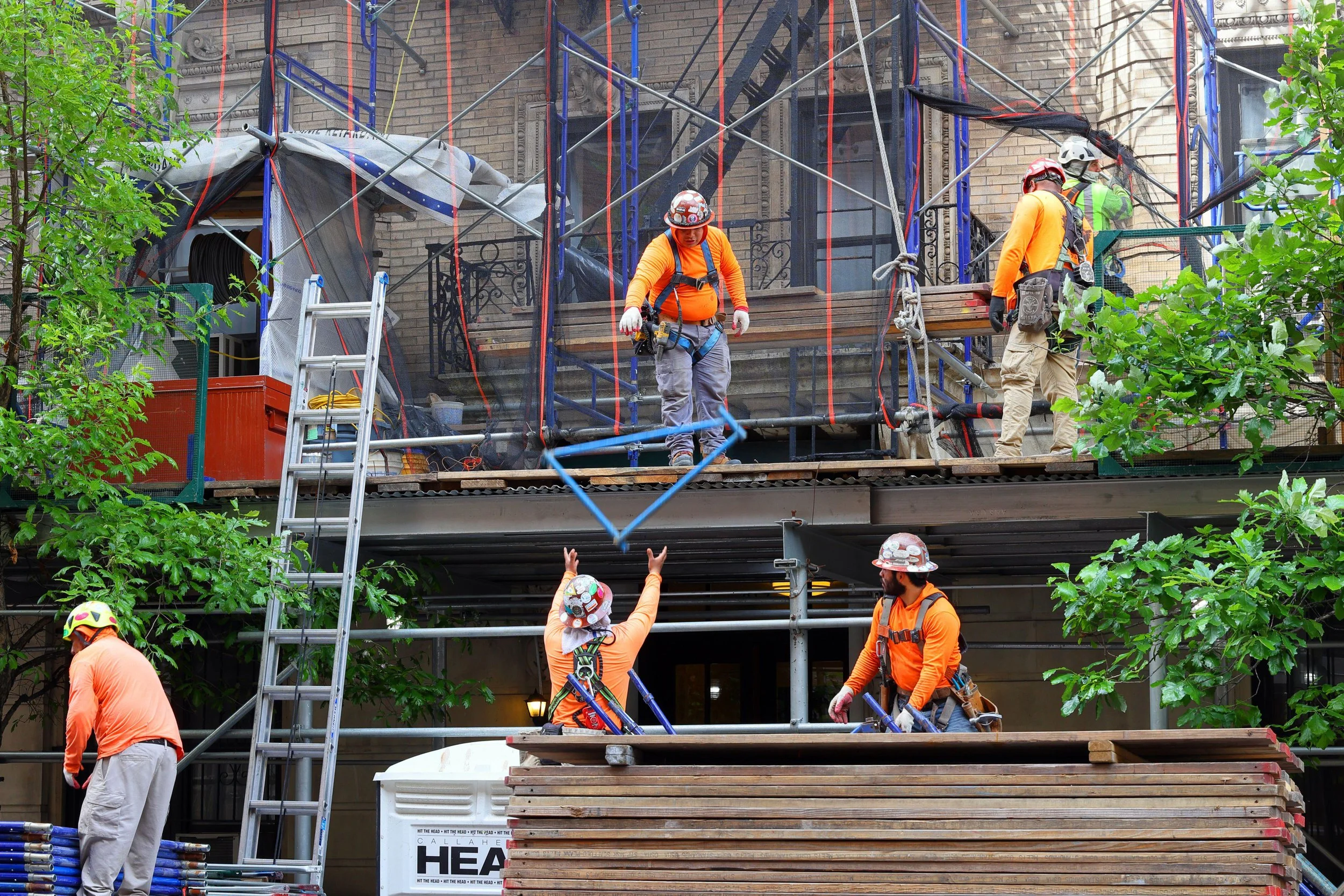
For nonprofit housing organizations, co-op boards, and condominium associations across New York City, façade maintenance isn’t just routine upkeep, it’s a regulatory responsibility tied directly to resident safety and long-term asset preservation.
New York City’s Local Law 11 , the Façade Inspection Safety Program (FISP), requires buildings taller than six stories to undergo periodic inspections and, when necessary, repairs. For boards and owners responsible for multifamily buildings, understanding how the law works and how to plan for compliance is essential.
Many of these buildings share a common challenge: age. Masonry façades, balconies, and exterior walls exposed to decades of weather cycles inevitably deteriorate over time. Local Law 11 is designed to identify those conditions early, before they become safety hazards.
Handled proactively, compliance becomes manageable. Left too late, it becomes disruptive.
What Local Law 11 Requires
Local Law 11 applies to New York City buildings over six stories, including rental properties, co-ops, and condominiums. Every five years, owners must retain a Qualified Exterior Wall Inspector (QEWI) to assess the building façade and file a report with the NYC Department of Buildings.
Buildings are classified as:
Safe — No issues requiring repair.
SWARMP (Safe With a Repair and Maintenance Program) — Repairs are required within a defined timeframe.
Unsafe — Conditions pose an immediate risk and must be addressed without delay.
For many co-op and condo boards, SWARMP classifications are the most common and the most complex. Repairs are required, but timing, scope, and cost must be carefully planned alongside reserve funds, assessments, and resident communication.
Why This Matters Across Nonprofits, Co-ops, and Condos
While ownership structures differ, the underlying responsibility is the same: maintaining safe, structurally sound buildings for the people who live in them.
Nonprofit housing organizations often manage aging portfolios tied to funding cycles and capital planning constraints. Co-op and condo boards face similar pressures, balancing façade repair costs with reserve funding and shareholder or unit owner expectations.
In both cases, façade deterioration is rarely isolated. Water infiltration, cracked masonry, and aging lintels often signal broader building envelope issues.
Planning early allows building teams to:
Evaluate repair options thoughtfully
Coordinate façade work with roofing or waterproofing
Avoid emergency conditions that lead to higher costs
For boards and organizations alike, the goal is not just compliance, it’s maintaining the long-term integrity of the building.
Planning Ahead Makes the Difference
The most successful Local Law 11 projects begin well before deadlines.
Early assessments provide clarity on existing conditions and help avoid last-minute filings or rushed construction. This is especially important in dense areas like Manhattan, Brooklyn, and Queens, where scaffolding, sidewalk sheds, and access logistics can affect both schedule and cost.
Façade restoration also intersects with daily building operations. Work must be coordinated around residents, building access, and safety protocols particularly in occupied co-ops, condos, and affordable housing properties.
With more than 30 years of experience in restoration and construction, The Penta Group works closely with boards, property managers, and nonprofit owners to plan façade projects with a clear path forward. As a PACT-certified General Contractor through 2027, Penta self-performs key trades including masonry, concrete, carpentry, and roofing helping projects stay coordinated and controlled from start to finish.
That level of coordination is often what keeps projects on schedule and on budget, even in complex urban environments.
A Note on Florida: Saltwater and Structural Exposure
While Local Law 11 is specific to New York City, building envelope challenges aren’t unique to the region.
In Florida, particularly in coastal markets, exposure to saltwater and humidity accelerates deterioration in concrete, steel reinforcement, and exterior finishes. Over time, salt intrusion can lead to corrosion within structural elements and issues that may not be immediately visible from the surface.
As a result, there is growing emphasis on regular inspections and proactive maintenance in Florida properties, especially for multifamily buildings and condominiums.
For organizations, boards, and owners with properties in both regions, the takeaway is consistent: waiting until visible damage appears often means the problem has already progressed.
Proactive inspection and maintenance whether required by regulation like in NYC or driven by environmental conditions like in Florida helps reduce long-term risk and avoid more disruptive repairs.
What Owners and Boards Should Do Next
Whether managing nonprofit housing, a co-op, or a condominium, Local Law 11 compliance should be approached as part of a broader building strategy.
Key steps include:
Confirm which buildings fall within the current FISP cycle
Review prior inspection reports and recurring conditions
Conduct early façade assessments before deadlines approach
Coordinate repairs with other planned capital improvements
For portfolios or buildings with multiple stakeholders, early planning provides clarity not just on compliance, but on budgeting, scheduling, and communication.
Local Law 11 exists to protect the people who live and move through New York City’s buildings.
For nonprofit housing leaders, co-op boards, and condo associations, it also represents an opportunity: to maintain buildings responsibly, extend their lifespan, and support the communities they serve.
With the right planning and the right partner, façade restoration becomes a controlled process not a reactive one.
To learn more about how Penta approaches façade restoration and compliance, connect with our team to discuss your building.