Affordable Housing Development: What It Takes to Deliver
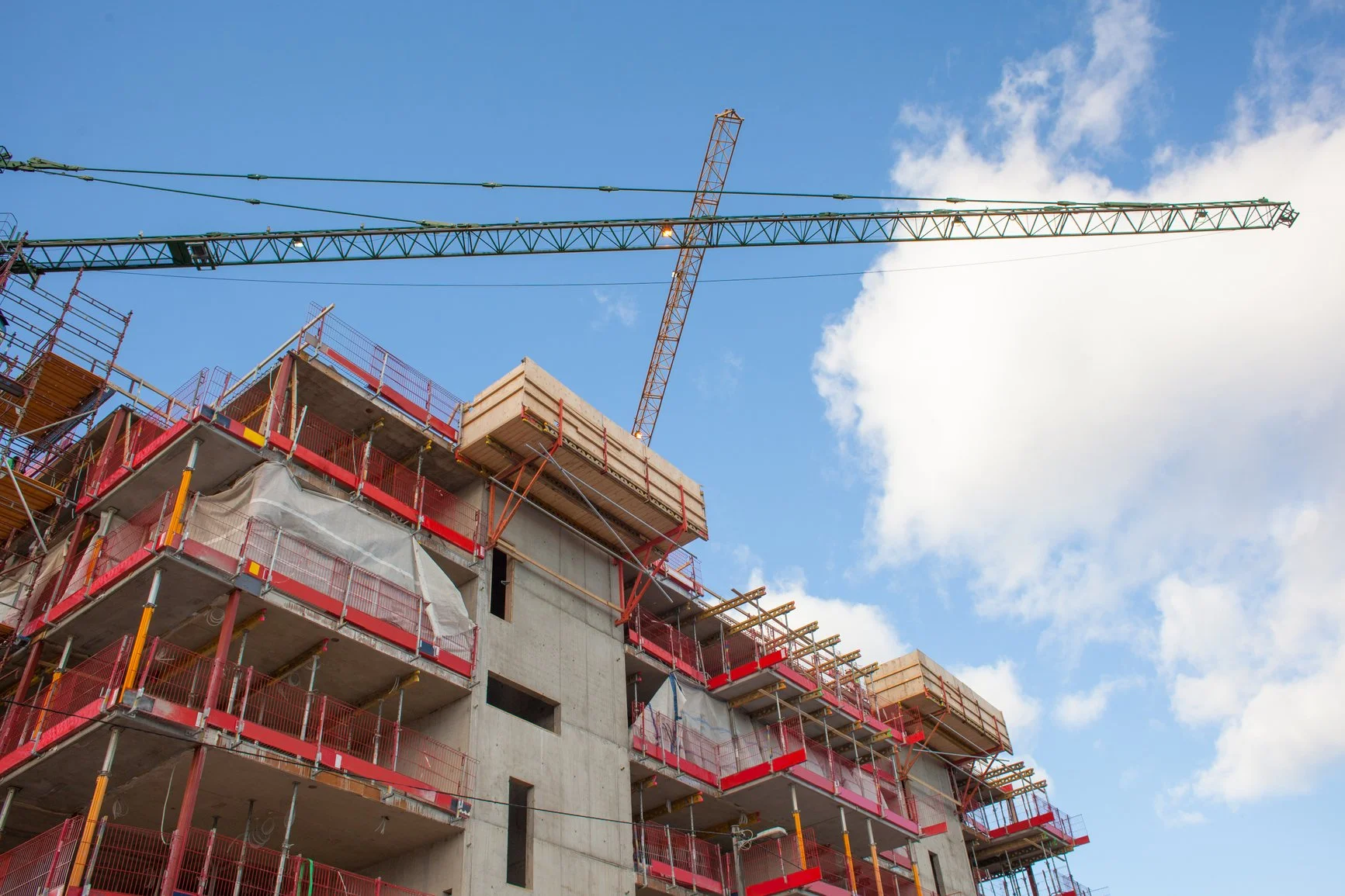
Affordable housing projects don’t fall apart because people don’t care. They fall apart because the path from idea to execution is harder than it looks on paper.
If you’ve been anywhere near one of these projects, especially in places like New York, you’ve probably felt it. The early momentum is there. The mission is clear. Then things start to get… complicated. Funding layers. Agency approvals. Design decisions that seem small but aren’t. Timelines that stretch.
And suddenly, what felt straightforward isn’t.
After working in this space for a long time, one thing becomes pretty clear: successful projects aren’t just well-intentioned. They’re tightly coordinated from the start.
Why Affordable Housing Projects Get Complicated…Fast
Affordable housing sits in a unique spot. It’s part public policy, part real estate, part construction and all of those pieces move at different speeds.
In New York City, for example, you’re often coordinating with agencies like NYC Housing, Preservation & Development or NYC Housing Development Corporation, working through funding structures that might include tax credits, subsidies, and layered financing. Each comes with its own requirements. Its own timeline.
None of this is surprising, exactly. But it adds up.
And then there’s everything else happening at the same time design progressing, budgets being shaped, community considerations, site conditions that don’t fully reveal themselves until you’re deeper in.
I’ve seen projects where nothing was technically “wrong,” but things just weren’t aligned early enough. That’s usually where the trouble starts. Not dramatic failure just slow drift. Missed expectations. Extra costs that no one planned for.
The Gap Between a Strong Plan and a Buildable One
A lot of affordable housing projects begin with a solid concept. Good intent, clear need, reasonable assumptions.
But a concept isn’t the same thing as something you can actually build.
This is where things tend to separate. Budgets get set before construction realities are fully understood. Drawings move forward without pressure-testing logistics. Permitting timelines get underestimated especially in dense, regulated environments.
And if the construction team comes in late, they’re reacting instead of helping shape decisions.
That’s not ideal.
Preconstruction (real preconstruction, not just a quick pricing exercise)changes the trajectory. It gives you a chance to ask harder questions early. What does this actually cost to build here, under these conditions? What sequencing makes sense? Where are the risks hiding?
Sometimes the answers aren’t what you want to hear. But they’re better to deal with upfront than halfway through.
What Actually Matters in a Development & Construction Partner
This is where things get a bit more practical.
If you’re a nonprofit or mission-driven developer, you don’t just need a contractor. You need someone who understands how affordable housing projects actually move from funding through construction.
That includes knowing how to work within public frameworks. How to navigate agencies. How to plan around constraints that aren’t always obvious if you haven’t done it before.
But beyond that, there are a few signals worth paying attention to.
Experience is one. Not general experience specific to affordable housing and complex urban work.
Control is another. Teams that self-perform key trades tend to have a tighter grip on schedule and cost. It’s not a cure-all, but it matters.
And then there’s stability. Large projects require partners who can carry them through. Bonding capacity is one way to gauge that, even if it’s not something people always talk about openly.
At Penta, we’ve been working in this space for more than 30 years, including affordable housing environments across NYC and the East Coast. As a PACT-certified General Contractor through 2027, we’ve learned how these projects actually move through agencies, through funding milestones, and through construction realities that don’t always follow a clean path.
We also self-perform key trades, which gives us more control when things inevitably shift. And they do.
A Few Questions Worth Asking
If you’re evaluating partners, these tend to surface the right conversations:
How do you establish cost clarity before construction begins?
What’s your experience working with agencies like NYC Housing, Preservation & Development or NYC Housing Development Corporation?
How do you handle schedule pressure when approvals take longer than expected?
Where do you self-perform work and where don’t you?
You can usually tell pretty quickly who’s speaking from experience and who’s speaking more… theoretically.
From Vision to Something That Actually Gets Built
There’s a phrase that comes up a lot “from vision to viability.” It sounds simple. It’s not.
What it really means is getting alignment early. Between development strategy, funding, and construction. Not in sequence, but together.
When those pieces move in isolation, projects get reactive. Budgets get adjusted late. Schedules get compressed. Tradeoffs happen under pressure instead of by design.
When they’re aligned, things feel different. Not easy but clearer. You know where the pressure points are. You can plan around them instead of being surprised by them.
That’s usually the difference between a project that feels controlled and one that feels like it’s constantly catching up.
What to Do Before You Move Forward
Depending on where you are, the next step might look a little different.
If you’re early, focus on feasibility but real feasibility. Not just “can we fund this,” but “can we build this under real conditions?”
If you’re further along, take a closer look at constructability. Are your plans grounded in how the work will actually happen? Or are there still assumptions in play?
And if you’re getting ready to move forward, bring your construction partner in sooner than you think you need to. Waiting until everything is set usually limits your options.
A few questions to keep in mind:
Do we actually understand the cost of this project or are we estimating around it?
Are we aligned with agency timelines, or hoping they’ll compress?
Do we have the right team in place to carry this through?
They’re simple questions. Not always easy ones.
Moving Forward with More Clarity
Affordable housing is complex. There’s no way around that.
But complexity doesn’t have to mean uncertainty.
When planning, funding, and construction are aligned early, projects tend to move differently. Fewer surprises. Better decisions. A clearer path forward.
At Penta, we approach this work with that mindset. Hands-on, accountable, and focused on getting projects to a place where they’re not just approved but actually deliver what they were intended to.
Because in the end, the goal isn’t just to start a project. It’s to finish it well—and to create something that holds up over time.
→Explore our construction services
→ Start a conversation and connect