
The Role of Construction in Shaping Community Impact
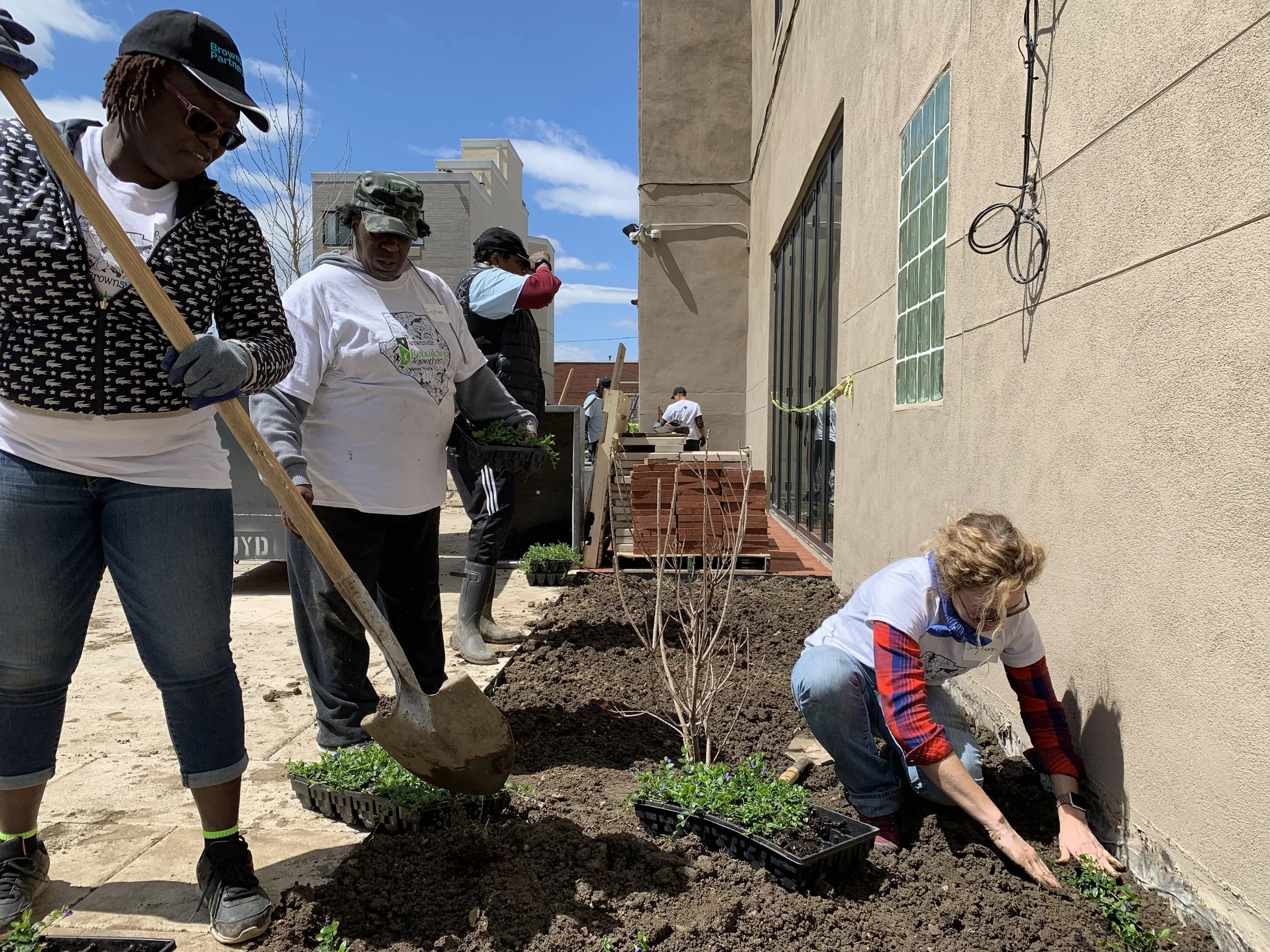
Every project changes a community. Not eventually immediately.
You see it the day construction starts. Sidewalks shift. Noise patterns change. People reroute their routines without thinking about it. And then, over time, something more permanent takes shape how a building is used, who it serves, how it fits (or doesn’t) into the fabric around it.
For nonprofits and community-focused developers, impact is usually the goal. But here’s the part that gets missed: impact isn’t determined at ribbon cutting. It’s decided much earlier often in ways that don’t feel obvious at the time.
After a few decades in this space, you start to notice a pattern. Projects that feel good at the end weren’t just well-designed—they were well-aligned from the beginning.
Every Project Leaves a Mark
There’s no such thing as a neutral construction project.
During construction, the effects are immediate. Noise, access, safety, communication or the lack of it. In dense urban environments, even small disruptions ripple outward. A poorly managed site can frustrate a neighborhood pretty quickly. A well-managed one? People notice that too.
But the longer-term impact is where things really settle in.
What gets built and how it’s built shapes how people live in and around that space. Does it support the community that was already there? Does it create something durable, something that holds up over time? Or does it solve a short-term need and quietly introduce new problems five or ten years down the line?
I remember walking past a project years after completion one we weren’t involved in and thinking, this could have been handled differently. Not structurally. Just… thoughtfully. The bones were fine. The experience wasn’t.
That gap matters more than people think.
Where Community Impact Is Actually Decided
Most people assume impact is tied to design. It’s not, not entirely.
A lot of it gets locked in through decisions that feel operational at the time:
How the site is phased
Where budget pressure gets absorbed
What materials are chosen when costs tighten
How construction is sequenced in a tight neighborhood
None of those sound particularly “community-oriented.” But they are.
Cutting costs in the wrong place might not show up on day one, but it will show up later in maintenance, in durability, in how the space ages. Rushing a schedule can ease short-term pressure but create long-term strain, especially in occupied or adjacent buildings.
And then there’s coordination. Or lack of it.
When development, design, and construction teams aren’t aligned early, decisions get made in isolation. That’s usually where friction starts budget revisions, delays, compromises that no one really intended but everyone has to live with.
The projects that land well tend to have something in common: those conversations happened early. Before drawings were finalized. Before assumptions hardened.
The Responsibility of Builders and Developers
There’s a tendency to think of builders as executors. Just bring the plans to life.
That’s incomplete.
Construction teams are part of the decision-making ecosystem whether they’re invited into it or not. The difference is whether they’re contributing early or reacting later.
Responsibility, in this context, looks pretty practical:
Planning work in a way that respects the people living nearby
Keeping sites safe not just for workers, but for the surrounding community
Communicating clearly when conditions change (because they always do)
It’s not complicated, but it does require intention.
At Penta, we’ve always approached projects with that mindset. What we build and how we build it doesn’t exist in a vacuum. It becomes part of a neighborhood, part of someone’s daily experience. After 30+ years working in complex environments, you develop a kind of awareness around that. You start asking different questions.
Not just “Can we build this?”
But “How will this feel once it’s here?”
What Responsible Execution Looks Like
It’s usually not dramatic. No big gestures.
It’s in the details:
Thinking through logistics before they become disruptions
Keeping communication consistent not just when there’s a problem
Taking ownership when things shift, instead of passing it along
Honestly, most communities don’t expect perfection. They expect awareness. And follow-through.
Aligning Mission with Execution
Nonprofits tend to lead with mission. That’s the point.
But if execution doesn’t support that mission, things start to drift.
You’ll see it in small ways at first. Budget adjustments that chip away at durability. Timeline pressure that forces shortcuts. Decisions that make sense on paper but feel disconnected on the ground.
And sometimes, you see it in bigger ways: community pushback, operational challenges, buildings that don’t quite function the way they were intended to.
This is where partner selection matters more than people want it to.
Not just capability. Alignment.
You want teams that understand the funding structure, the regulatory environment, the construction realities and how those pieces interact. But also teams that approach the work with a certain level of care. That’s harder to quantify, but you know it when you see it.
Or when you don’t.
What to Consider Before You Build
A few questions that tend to sharpen things:
What will this project feel like during construction for the people already there?
Where are we making tradeoffs, and what do those tradeoffs mean long-term?
Are we solving for speed, or for durability?
Do we have clarity on cost and constructability or are we still working off assumptions?
These aren’t technical questions. Not really. They’re alignment questions.
And they’re easier to answer early than they are to fix later.
Moving Forward
Construction isn’t just about delivering a building. It’s about shaping what comes next how a space functions, how it holds up, how it’s experienced day to day.
When planning, development, and construction are aligned, projects tend to land the way they were intended to. There’s less friction. Fewer surprises. More confidence in the outcome.
That’s the goal.
If you’re thinking through a project—whether it’s early-stage or already in motion—it’s worth stepping back and asking how those pieces are coming together. Because once construction starts, a lot of the important decisions have already been made.
→ Learn more about our approach to development
→ Start a conversation and connect